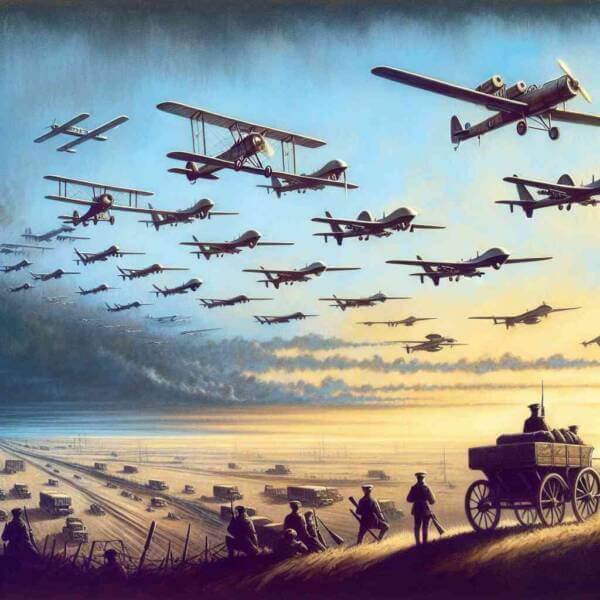
Military aviation is a cornerstone of modern defense strategies around the world.
Today, military aviation encompasses a wide range of missions, from fighter jets and bombers to surveillance drones and transport planes.
The Evolution of Military Aviation
Military aviation started during the dawn of aerial warfare, with aircraft initially used for reconnaissance.
Major milestones in military aviation history include:
- Development of air combat tactics
- World War II advancements
- The Cold War era
- Rise of unmanned aerial vehicles (UAVs)
Each era brought innovative strategies that expanded aerial warfare.
Different Roles of Military Planes
Military aviation includes a variety of aircraft, each designed for specific missions.
Major aircraft classifications:
- Planes built for speed and agility
- Planes that deliver heavy payloads
- Logistical support aircraft
- Eyes in the sky for modern armies
Each type plays a key part in military operations, from striking enemy targets.
Why Control of the Skies Matters
Controlling the skies limits enemy movements.
How controlling the air impacts battles:
- Providing close air support
- Targeting infrastructure and logistics
- Gathering critical intelligence
- Boosting morale
Nations with strong military aviation capabilities can control conflicts.
The Next Generation of Military Aircraft
Military aviation is at the forefront of scientific progress.
Cutting-edge developments:
- Stealth technology
- Ultra-fast strike capabilities
- Unmanned aircraft operating independently
- Directed energy weapons
These advancements increase survivability for air forces worldwide.
Obstacles Facing the Industry
From high costs to geopolitical tensions, the road to air dominance is never simple.
Pressing issues in military aviation:
- Expensive research and operations
- Short life cycles for cutting-edge aircraft
- Protecting systems from hacking and sabotage
- Ethical concerns with autonomous weapons
Addressing these challenges is necessary for effective defense strategies.
Future of Military Aviation
The future of military aviation promises an era of transformation.
Likely developments:
- Smarter decision-making systems
- Space as the next battlefield
- Developing sustainable aviation technology
- Enhanced multinational cooperation
The next era of military aviation will revolutionize how wars are fought.
Conclusion
Military aviation remains a powerful force in global defense.
As technology continues visit to evolve, the skies will remain a vital domain where military aviation shapes the world order.
The future of military aviation is limitless — and it’s only just beginning.